
- Teacher: Kathryn Allen
- Teacher: Benjamin Carrington

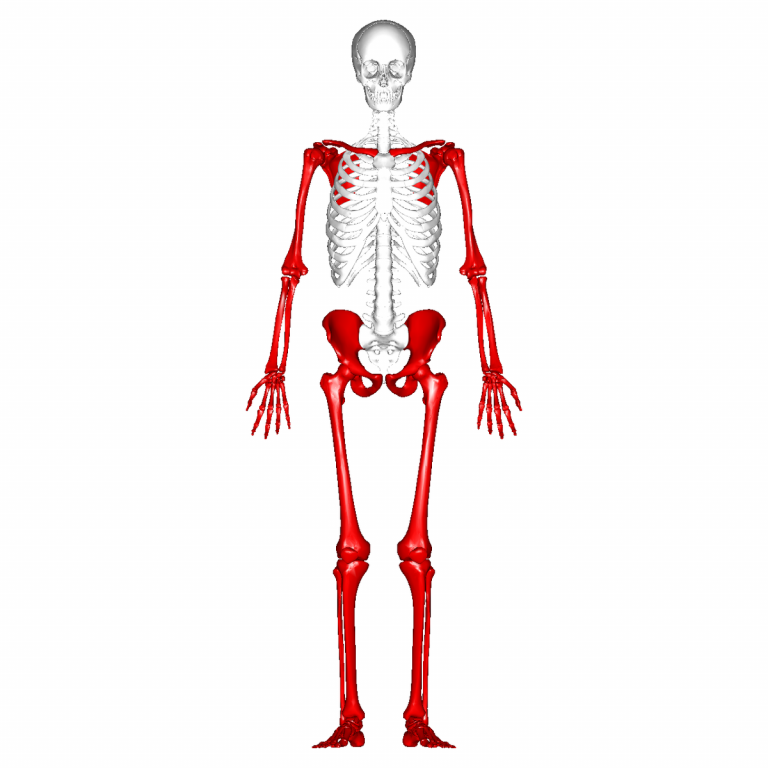
The goal of this course is to have the student develop and demonstrate a deeper understanding of the foundational principles of chiropractic as presented in 1PHIL1 and gain a practical appreciation of those concepts as they apply to the practice of chiropractic and health care in general.
- Teacher: Chris Ramsay
- Teacher: Katlyn Tulissi
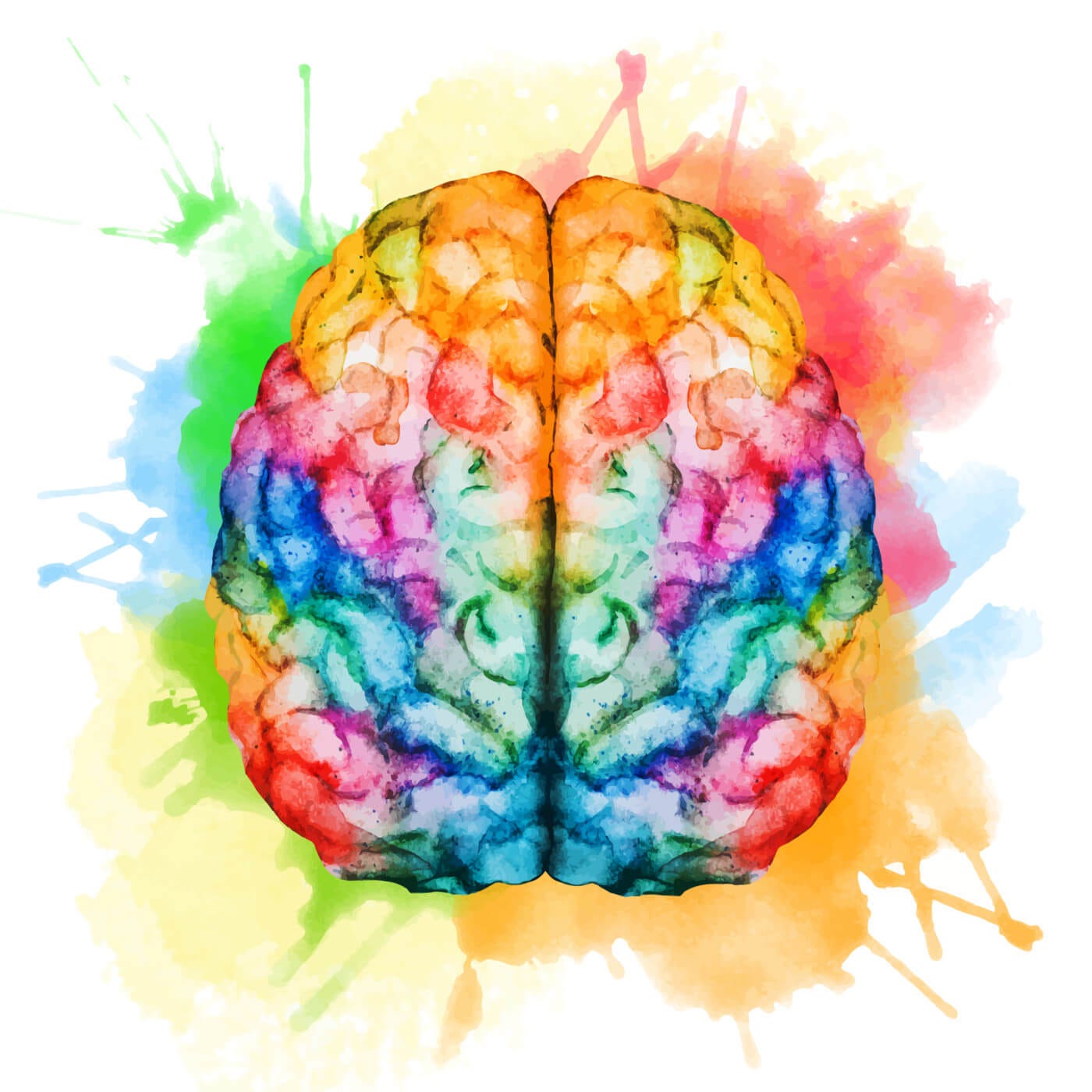
This course provides an introduction to basic neuroanatomy, the principles of neurophysiology and the stages of neuroembryological development. Neural systems will be introduced that contribute to sensory experiences, motor control, learning and memory. It also introduces selected neurological disorders
- Teacher: Kathryn Allen
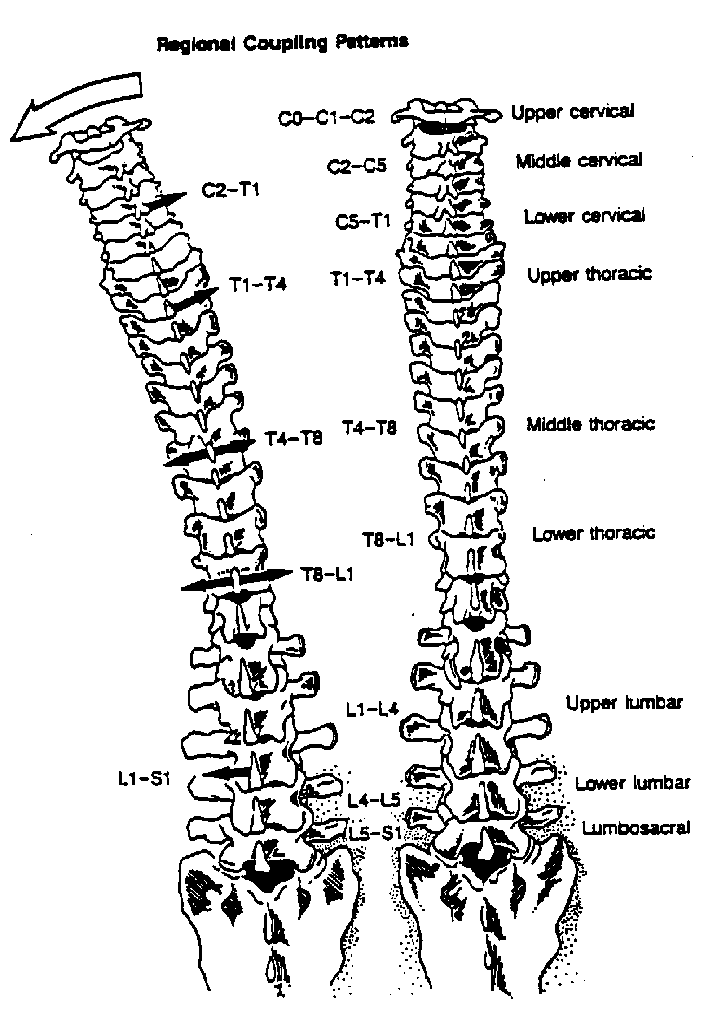
To continue to develop chiropractic clinical principles and skills relating to assessment of spinal health in an overall sense, including vertebral subluxation analysis and the development of psychomotor skills of adjustment procedures utilising toggle recoil and sustained impulse thrusts. NZCC vertebral subluxation analysis is a multi-test system. In this course students are introduced to four types of leg length evaluations, advanced muscle palpation, motion palpation, joint play and evaluation of the tone of the various types of paraspinal tissues.
- Teacher: Lisa Baptista
- Teacher: Matthew Sherson
This course builds on the general pathology knowledge gained from Pathophysiology 1 and focuses on pathological disease processes for each body system. A more in-depth approach is applied enabling the student to understand, define, identify and apply advanced pathophysiological knowledge of systemic diseases.
- Teacher: Jenna Duehr

In a multicultural and diverse world, it is imperative to develop students’ understanding of and skills in communication, protocols and ethics underpinning successful professional communication for diverse cultures in NZ, in particular for Māori, in skills in te reo me ōna tikanga (language and custom), and to apply the cultural capability and belonging concepts to other cultural and diverse groups and situations.
This waananga series consists of 4 main phases, using the metaphor of starting in te pō, the night, the unknown towards te ao mārama, the world of light and understanding. This continuum of understanding is reflection also of the four stages of cultural competence as described by Purnell, moving from unconscious incompetence towards conscious competence through waananga.
- Teacher: Jamie Te Huia Cowell
- Teacher: Tanja Glucina